
 Maya
Maya ZBrush
 Houdini
 Unreal Engine
 Substance Painter
 Blender
 Nuke
Nuke Arnold
 KeyShot
 V-Ray
V-Ray Substance Designer
 Mari
Mari Marvelous Designer
 Marmoset Toolbag
 3ds Max
 3DCoat
 Redshift
 After Effects
 Faceform Wrap
 Lightroom
 OctaneRender
 SpeedTree
 Daz 3D
 Agisoft Metashape
 Fusion
 Modo
Modo RealityCapture
 Gaea
Gaea Cinema 4D
 Gravity Sketch
 Premiere
 Procreate
 Substance 3D Modeler
 Katana
 Mudbox
 Krita
Krita World Creator
 Yeti
Yeti Ziva VFX
 SketchBook
 Quixel DDO
 Mixamo
 Natron
 Quixel Bridge
 Quixel Megascans
 Adobe Medium
 Quixel Mixer
 SynthEyes
 Clip Studio Paint
 SketchUp
 Unity
Unity Gaffer
 Massive
 Materialize
 Ornatrix
 PreForm
 Corel Painter
 Moi 3D
 QuickTime
 Storyboard Pro
 TreeIt
 animBot
 ReCap
ReCap Meshmixer
 DaVinci Resolve
 World Machine
 xNormal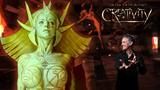
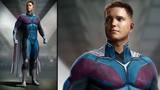
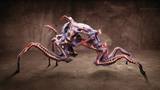
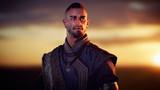



Designing makeup concepts for film and television is an important skill set for concept artists at the Wētā Workshop in New Zealand, known for decades of groundbreaking work. Join Senior Concept Designer Johnny Fraser-Allen as he shares his Photoshop techniques to effectively design character and creature makeups in this four hour workshop, with tips aimed at artists of all levels.
This detailed workshop will teach you how to deliver and lock down approved designs for the film industry. Aimed at the early stages of a production, the Photoshop-based techniques covered will allow for quick ideas to be delivered to the director as well as tackling quick changes needed to rework designs into alternate options for the same brief.
Starting with a quick warm up, Johnny goes through the steps required to build an original creature makeup design, before starting on three Ogre Lord concepts over the same actor. This same process is how he designed and reworked director notes for the BFG for Steven Spielberg, dwarves for Peter Jackson, and goblins for the Jim Henson Company.
Chapter 1: Introduction to Creature Feature Makeup Design: Johnny shares his thoughts on a career in designing characters and makeup concepts for blockbuster films and gives insight into the thought process behind the many makeup concepts he designed for The Portable Door.
Chapter 2: Warm-up with a Quick Goblin Makeup Concept: Using Jeffery Walker, the Director for The Portable Door, Johnny revisits how he designed Goblin makeup for Sam Neil and others in a quick warm-up session.
Chapter 3: Sketching: Johnny shows how a quick sketch — that no one will ever see but the artist — can help speed up the design process and inform some helpful starting points that will lead to the happy accidents found in the final design.
Chapter 4: The Concept Art: Creating his own brief of “Ogre King,” Johnny goes through every step he uses to take a photo of the production’s chosen actor and work up three original makeup concepts to turn him into the creature required for filming. With an emphasis on practicality and retaining the qualities of the performer beneath, this tutorial shows how to use the shapes and existing textures of the actor as well as incorporating other photographic elements to help shape a realistic, filmic-looking concept design using only Photoshop. This then serves as the initial discussion point used to get the ball rolling for the director of the film.
6 Lessons
Johnny Fraser-Allen's workshop provides invaluable insight into the professional reality of character design for film, emphasizing that the process is highly collaborative, iterative, and often unpredictable. Artists learn through these experiences that success comes not just from technical skill, but from adaptability, understanding director preferences, working within practical constraints, and maintaining creative vision while accepting that a design will transform through multiple departments.
Duration: 35m 59s

This lesson goes over that professional creature design for film is not just about creativity, but also about working within real-world constraints and timelines. Johnny's approach of combining photographic references, quick painterly techniques, and knowledge of how physical makeup functions on real actors, allows for rapid iteration while maintaining quality. Most importantly, the process prioritizes adaptability, speed, and collaboration with other departments.
Duration: 44m 2s

Artists learn that concept art serves a specific purpose, communicating design ideas to directors quickly, rather than creating portfolio-perfect illustrations. By layering photographic elements with painterly techniques and strategic use of filters, convincing makeup concepts are produced rapidly.
Duration: 50m 4s

This lesson demonstrates that effective concept art for practical makeup effects begins with loose, experimental sketching rather than polished rendering. Johnny provides directors with a visual menu of possibilities by creating multiple options while maintaining awareness of practical constraints like preserving actor recognition and working within the limitations of prosthetic application.
Duration: 13m 50s

Demonstrated in this lesson is a practical production approach to creature design that bridges concept art and physical makeup effects. Artists learn to treat Photoshop layers like prosthetic appliances and build from photographic foundations toward painted refinement to create designs that are both creatively compelling and practically achievable.
Duration: 50m 4s

In this final lesson, Johnny demonstrates a method for quickly creating multiple variations, allowing directors to cherry-pick favorite elements and combine them into a final direction. Johnny demonstrates that skilled, thoughtful design work that considers production realities remains valuable in filmmaking.
Duration: 57m 33s

Primary tools
For this workshop you’ll need:

* Note that these programs and materials will not be supplied with the course.
Skills Covered
Who’s this Workshop for?
This workshop is designed for concept artists and makeup designers working in film and television who want to enhance their digital design skills. Suitable for artists at all levels, Johnny Fraser-Allen's techniques strengthen the ability to create compelling character concepts using Photoshop.
Illustrators, character designers, and digital artists aiming to break into the entertainment industry will find strong value in learning industry-standard workflows in this training. Johnny shares insight into professional production processes while demonstrating practical skills that translate directly to real-world film and television projects.
Learning Outcomes
On completing this workshop, artists will have mastered the essential Photoshop techniques and professional workflows needed to design effective makeup concepts for film and television productions.
Key skills include:
- How to transform actor photography into professional creature and character makeup concepts efficiently.
- How to sketch preliminary designs that inform and accelerate the digital concept development process.
- How to incorporate photographic elements and textures to create realistic, production-ready makeup designs.
- How to work with director feedback and quickly iterate multiple design variations.
- How to maintain actor characteristics while developing convincing creature transformations using practical approaches.
- How to present polished concept art that serves as effective communication tools for production teams.


